
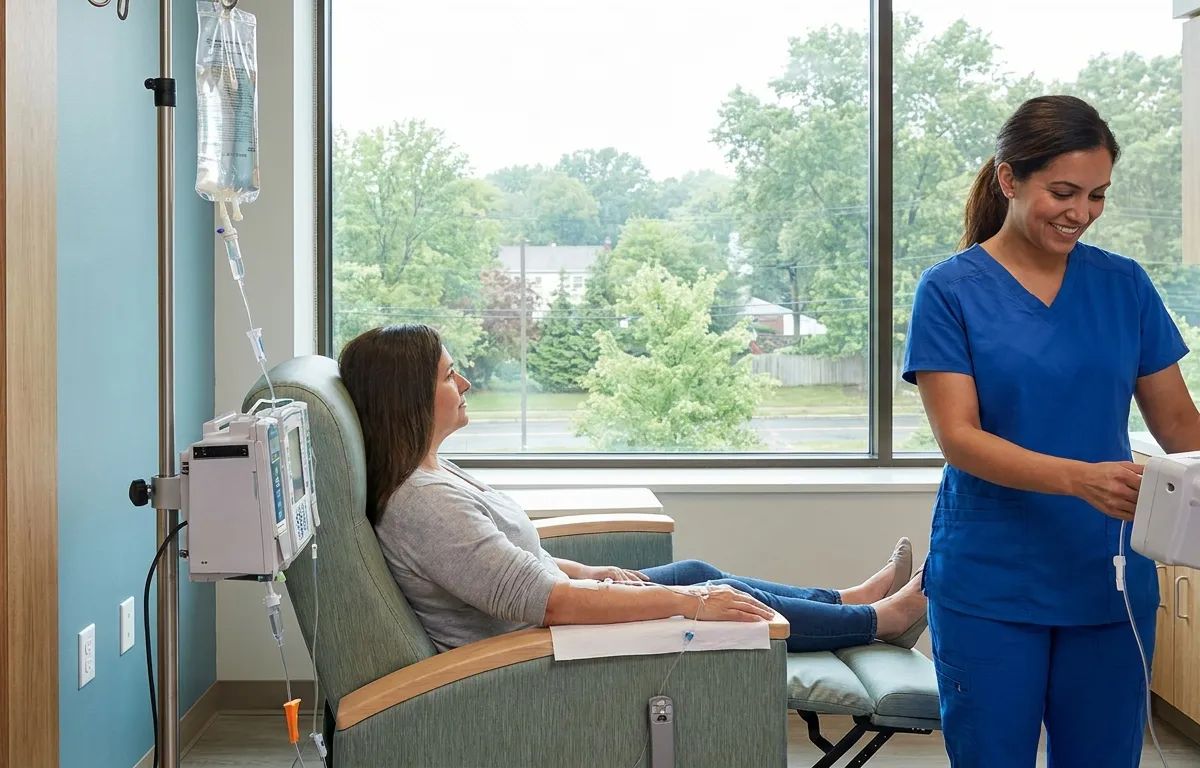
Choosing where to get an iron infusion in North Jersey comes down to one question: do you want speed and convenience, or a physician managing the whole picture from diagnosis to follow-up labs. This guide ranks the main types of iron infusion nj patients actually use, with a clear verdict for each.
TL;DR
- Physician-led practices like Infusion Center of NJ win for patients with hyperlipidemia, GI absorption issues, or complex anemia history.
- Hospital infusion suites are the safe pick for oncology-adjacent cases but often mean a 4-6 week wait for a new patient slot.
- Standalone IV drip bars should be skipped for iron infusion nj searches unless a physician has already ordered the specific formulation and dose.
- Urgent care iron infusions are fast but rarely include the ferritin and TSAT recheck that tells you the infusion actually worked.
Why this matters
Iron deficiency without anemia still causes fatigue, hair thinning, and brain fog, and oral iron fails a meaningful share of patients because of GI side effects or poor absorption. An infusion corrects ferritin levels in one to two visits instead of the three to six months oral iron typically takes. But not every facility that offers an iron infusion in NJ is set up to diagnose why your levels dropped in the first place, and that distinction is what separates a good pick from a wasted afternoon.
The Infusion Center of NJ approaches iron infusion as part of a broader lab workup, not a stand-alone drip. That matters because low ferritin sometimes signals something upstream, like heavy menstrual bleeding, GI blood loss, or chronic inflammation, that a drip bar has no mechanism to catch.
How this list was built
This ranking groups North Jersey iron infusion options by care model, not by brand name, since the meaningful difference for patients is who is reading your labs before and after the infusion. Criteria: physician oversight during infusion, whether pre-infusion labs (ferritin, TSAT, CBC) are required, appointment wait time, and whether post-infusion follow-up is built in. Categories reflect how these services are typically structured across Clifton, Tenafly, and the broader North Jersey corridor in 2026.
The ranked list
1. Physician-led infusion practices
The clinical pick. Practices structured around a board-certified physician, rather than a nurse-only drip bar, run full iron panels (ferritin, TSAT, CBC) before dosing and recheck labs after. The Infusion Center of NJ, founded by board-certified internist Dr. Jeffrey A. Weiss, MD, FACP, operates this model across its Clifton and Tenafly locations and was named to a 2026 Top Docs list. Infusions typically run 15 to 45 minutes depending on the iron formulation used.
Verdict: Buy. This is the right call for anyone with unexplained low ferritin, a history of hyperlipidemia or other chronic conditions, or a prior reaction to oral iron.
2. Hospital-based infusion suites
The safe but slow pick. Hospital infusion centers, usually attached to oncology or GI departments, have the highest level of monitoring equipment on-site and are the right call for patients with severe anemia, cardiac history, or a known history of infusion reactions. The tradeoff is scheduling: new-patient slots commonly run four to six weeks out in 2026, and parking, paperwork, and wait times add hours to a same-day appointment.
Verdict: Hold. Worth the wait if your case is complex, but a poor match if you just need a routine ferritin correction.
3. Standalone IV drip bars / wellness lounges
The wildcard, and usually the wrong one. Drip bars marketed around hydration and hangover cures sometimes advertise "iron boosts," but few carry the FDA-approved IV iron formulations (ferric carboxymaltose, ferric derisomaltose) that require a physician order and a documented lab-confirmed deficiency. Iron dosing errors carry real risk, including hypophosphatemia with some formulations.
Verdict: Skip. If a facility doesn't ask for a recent ferritin and TSAT result before booking you, that's the signal to walk away.
4. Urgent care and walk-in clinics
The convenience pick with a gap. Some urgent care chains in North Jersey now offer iron infusions same-day. Speed is real, but most don't build in a follow-up lab draw four to eight weeks later to confirm the infusion actually raised your ferritin, which means you're paying for a correction with no way to confirm it worked.
Verdict: Wait. Fine in a pinch if you already have physician orders in hand, otherwise wait for a practice that closes the loop.
5. Hematology and oncology infusion centers
The specialist option. For patients with anemia tied to chronic kidney disease, inflammatory bowel disease, or active cancer treatment, a hematology-affiliated infusion center coordinates iron dosing with the rest of a treatment plan and has protocols for higher-risk patients.
Verdict: Buy, but only if a hematologist or oncologist is already part of your care team; otherwise this tier is unnecessary overhead for a routine deficiency.
Comparison at a glance
| Care model | Pre-infusion labs required | Typical wait | Follow-up labs built in | Verdict |
|---|---|---|---|---|
| Physician-led practice | Yes | Days | Yes | Buy |
| Hospital infusion suite | Yes | 4-6 weeks | Sometimes | Hold |
| IV drip bar | Rarely | Same day | No | Skip |
| Urgent care | Sometimes | Same day | No | Wait |
| Hematology/oncology center | Yes | 1-3 weeks | Yes | Buy (specialist cases) |
Where to book
- Ask for your ferritin and TSAT numbers before you schedule, not after: a facility that skips this step is skipping the diagnosis, not just the paperwork.
- Confirm which iron formulation is being used and how many visits it requires; some regimens need two sessions a week apart, others are a single dose.
- Book with a practice that schedules a recheck lab four to eight weeks post-infusion. Without it, you have no way to know whether the infusion worked or you're back to square one in six months.
FAQ
What is the best iron infusion option in North Jersey?
A physician-led practice is the best iron infusion nj option for most patients because it pairs the infusion with lab-confirmed diagnosis and follow-up testing. Hospital infusion suites are the better fit for complex or high-risk cases despite longer wait times.
How much does an iron infusion cost in NJ?
Cost varies by formulation, number of visits, and insurance coverage, so confirm current pricing directly with the practice before booking. Most insurance plans cover iron infusions when ferritin and TSAT labs document a deficiency.
Is an iron infusion better than oral iron pills?
An iron infusion corrects ferritin levels in one to two visits versus three to six months for oral iron, and it avoids the GI side effects that cause many patients to stop pills early. Oral iron remains the first-line option for mild, uncomplicated deficiency.
Do I need a referral for an iron infusion in New Jersey?
Most physician-led infusion practices in NJ can order the required labs and infusion directly without an outside referral. Hospital-based centers more often require a referring physician's order first.
How long does an iron infusion take?
Most modern iron formulations infuse in 15 to 45 minutes, though the appointment itself, including labs and monitoring, typically runs closer to an hour. Older formulations that require a test dose can take longer.
Can iron infusions cause side effects?
Mild side effects like headache or a metallic taste are common and short-lived; serious reactions are uncommon but are the reason physician-led monitoring during the infusion matters. Facilities without on-site physician oversight are a worse fit if you have a history of reactions.
How often do I need repeat iron infusions?
Repeat infusions depend on the underlying cause of the deficiency; some patients need one round per year, others need ongoing management if blood loss or absorption issues persist. A follow-up ferritin and TSAT check four to eight weeks out determines whether a repeat is needed.
What's the difference between a drip bar and a physician-led infusion center?
A drip bar generally offers wellness IV blends without requiring lab-confirmed deficiency, while a physician-led center orders ferritin and TSAT panels before and after the infusion. For iron specifically, the lab-driven model is the safer and more effective choice.
One last thing
The detail most patients miss: a single low ferritin reading isn't a diagnosis by itself, it's a starting point. Ferritin can run artificially high during inflammation or infection, masking a real deficiency, which is why a physician reviewing the full panel, not just one number, catches cases a drip-bar intake form never will. That's the gap that separates a facility offering iron infusions from a practice actually managing your iron status in 2026.